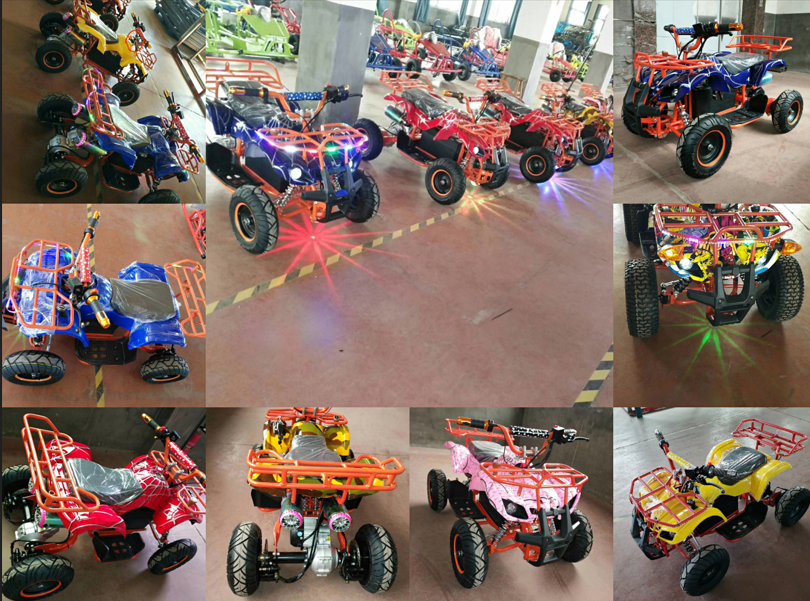
Buying a kids ATV or quadbike is one of the best choices for outdoor entertainment, physical exercise, and parent-child interaction. However, choosing the right model is never easy. Parents must focus on safety, suitability, quality, and compliance rather than only looking at appearance and price. Below are 10 key factors to consider when buying an ATV/Quadbike for kids, helping you make a safe and worthwhile purchase.
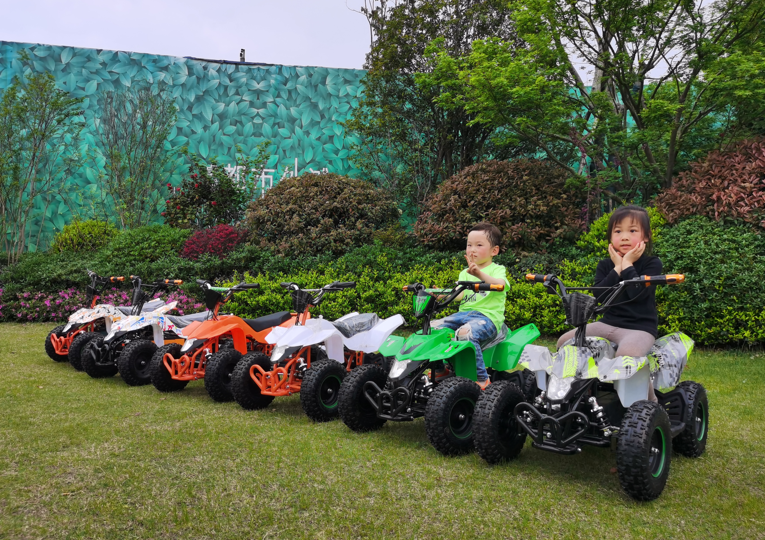
First, age and height matching is the top priority. Different quadbikes are designed for specific age groups, usually for 3–6 years old, 6–10 years old, and 10–14 years old. Children must sit steadily, hold the handlebars comfortably, and place their feet flat on the footrest. An oversized ATV will cause poor control risks, while a too-small model will limit growth and riding experience.
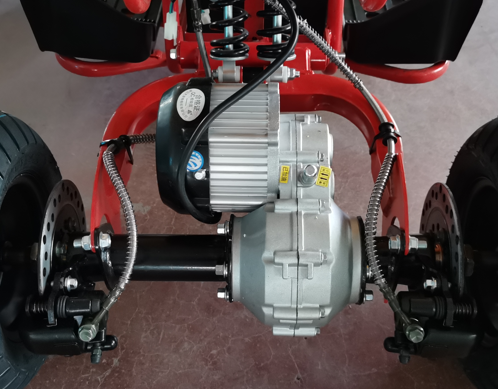
Second, engine and motor power selection. For young kids, low-power electric ATVs are safer and quieter, with stable speed and no exhaust pollution. Older teenagers can choose moderate gasoline-powered quadbikes. Avoid buying high-power versions blindly; excessive speed is the main cause of kids riding accidents.
Third, speed limit function. A qualified kids ATV must be equipped with an adjustable speed limiter. Parents can set the maximum speed according to their child’s riding skill. Gradually increase the speed as the child becomes more familiar with operation, which effectively prevents dangerous speeding.
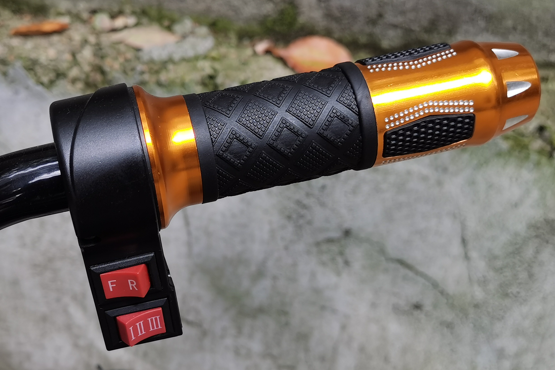
Fourth, safety configuration. Check essential safety parts including reliable braking system, anti-slip tires, rollover protection frame, safety handguard, and bright front/rear lights. Thick seat cushion and non-slip footrest also greatly improve riding safety and comfort.
Fifth, material and build quality. The frame should use thickened steel structure with strong load-bearing and anti-collision ability. Plastic body parts need to be anti-UV and anti-fall, not easy to crack outdoors. High-quality welding and overall assembly determine the service life of the quadbike.
Sixth, weight load capacity. Every kids ATV has a standard maximum load. You need to reserve a proper margin according to the child’s weight and future growth. Overload riding will damage the suspension, frame and tires, and bring hidden safety hazards.
Seventh, certification and compliance standards. If you sell or use in European and American markets, the kids quadbike must pass CE, UKCA and related safety certifications. Certified products follow strict production standards, safer and also meet local road and off-road usage regulations.
Eighth, operation simplicity. Kids ATV should feature simple one-key start, easy throttle control, and sensitive brake response. Complex operation settings will make children nervous and easily cause misoperation. Beginner-friendly design is essential for young riders.
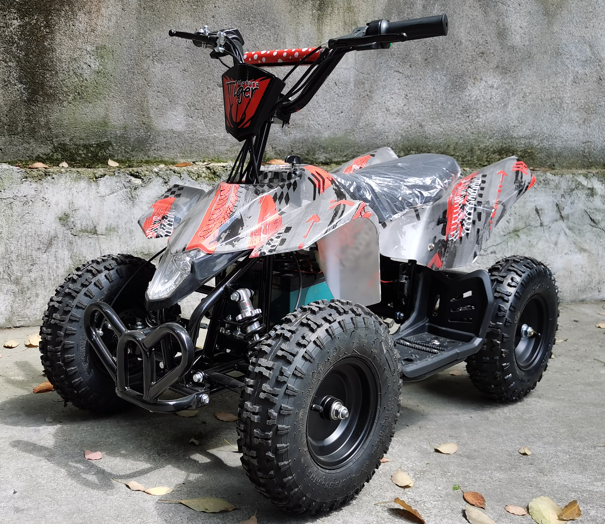
Ninth, shock absorption and riding comfort. Good front and rear suspension shock absorption can adapt to grassland, mountain road, dirt road and other off-road scenes. It reduces bumpiness, protects the child’s spine, and allows longer comfortable outdoor riding.
Tenth, after-sales service and spare parts supply. Choose a regular manufacturer and supplier like Wellsmove with complete after-sales support. Stable supply of spare parts such as batteries, motors, controllers, tires and accessories ensures convenient later maintenance and replacement.
In conclusion, purchasing a kids ATV/Quadbike should always put safety and matching first, then consider power, configuration, certification, comfort and after-sales support. By following these 10 key factors, parents can pick a durable, safe and kid-friendly quadbike for outdoor leisure and growth.