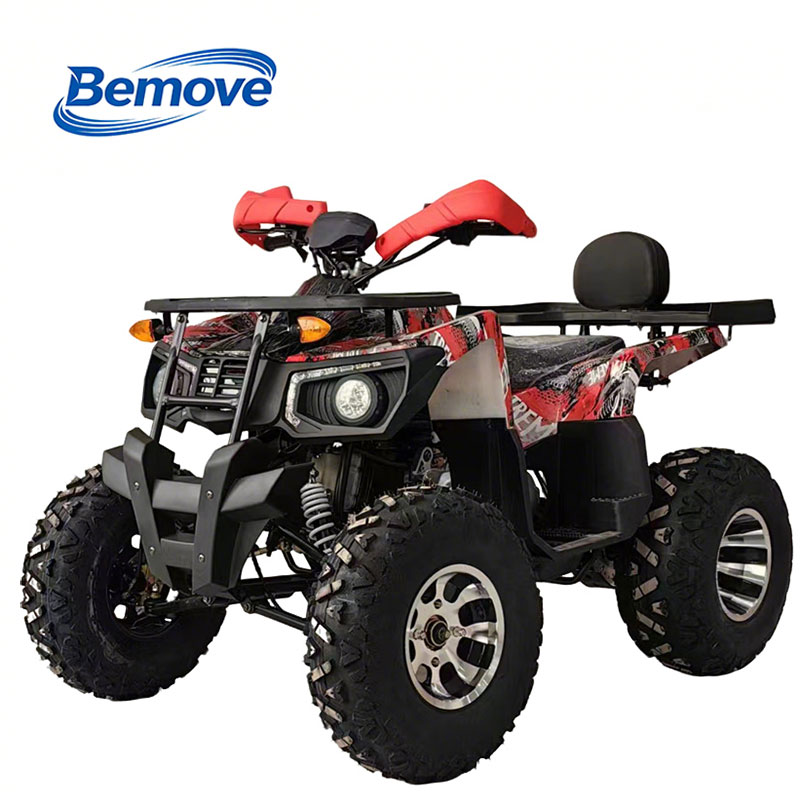
Robot automatic welding has become a game-changer in the manufacturing of dirt bike and ATV frames, addressing the industry’s pain points of labor shortage, inconsistent quality and low efficiency. As the demand for off-road vehicles grows steadily in markets like South America, this automated technology offers unparalleled advantages that enhance production reliability, product performance and cost-effectiveness, making it indispensable for manufacturers.
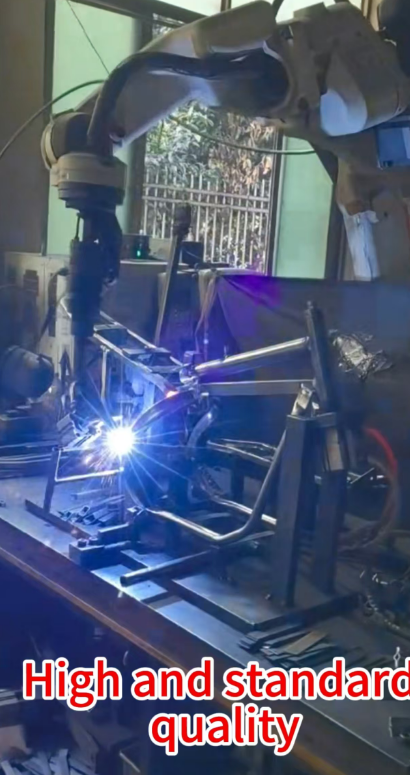
Precision and consistency are the core advantages of robot automatic welding. Dirt bike and ATV frames consist of multiple irregular tubes welded in 3D space, where weld quality directly affects vehicle safety and durability. Unlike manual welding, which is prone to errors, fatigue-induced defects like incomplete welding or leakage, robotic welders achieve millimeter-level trajectory accuracy, ensuring uniform welds and stable frame strength across all units. This consistency is crucial for withstanding the high vibrations and harsh terrains these vehicles encounter.
Efficiency improvement and labor cost reduction are equally notable. The global shortage of skilled welders has plagued manufacturers, who face rising labor costs and unmet production demands. Robot welding systems operate 24/7 with minimal human intervention, boosting production efficiency by 30% to 50% compared to manual operations. They also eliminate training costs for new welders and reduce rework caused by human errors, significantly cutting overall manufacturing costs.
Flexibility and adaptability further highlight its value. Modern robotic systems can handle diverse frame designs and materials, from steel to aluminum alloys, with quick programming adjustments for different models. Their compact, low-interference design allows access to complex 3D welding positions, while intelligent adaptive technologies compensate for minor part inconsistencies, reducing defects like edge biting.
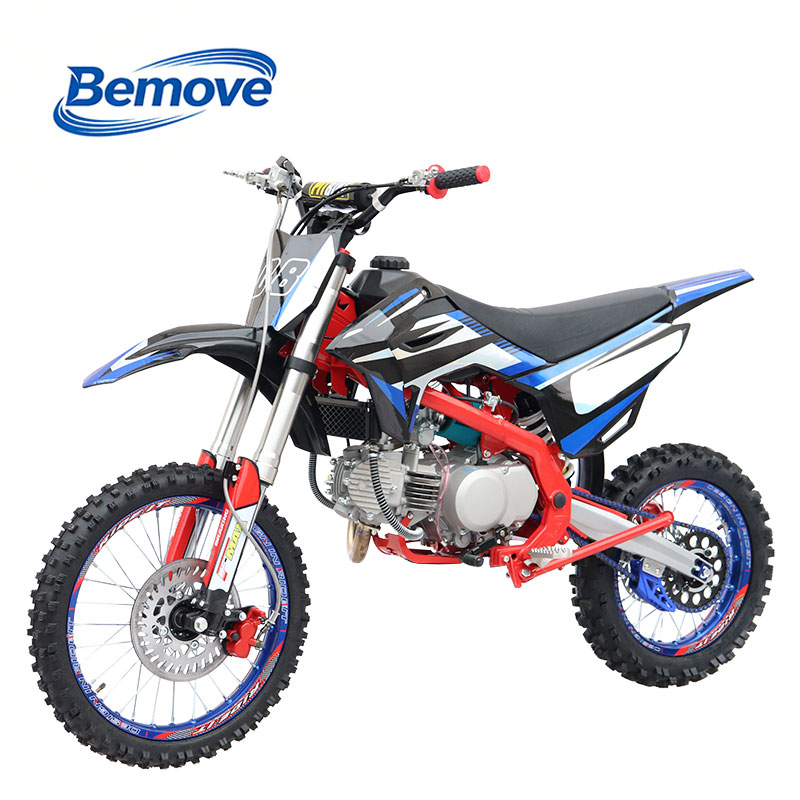
For manufacturers targeting growing markets like South America, robot automatic welding ensures competitive quality and scalable production. It not only solves labor shortages but also meets the rising demand for high-performance off-road vehicles, laying a solid foundation for sustainable growth in the industry.